
Maison Jibrat · Read time: 7 min read
A Home Older Than Its Walls
A letter to my father, and to the farmhouse in Le Sailhant we found together on one of our father-daughter trips to France.
October 7, 2026
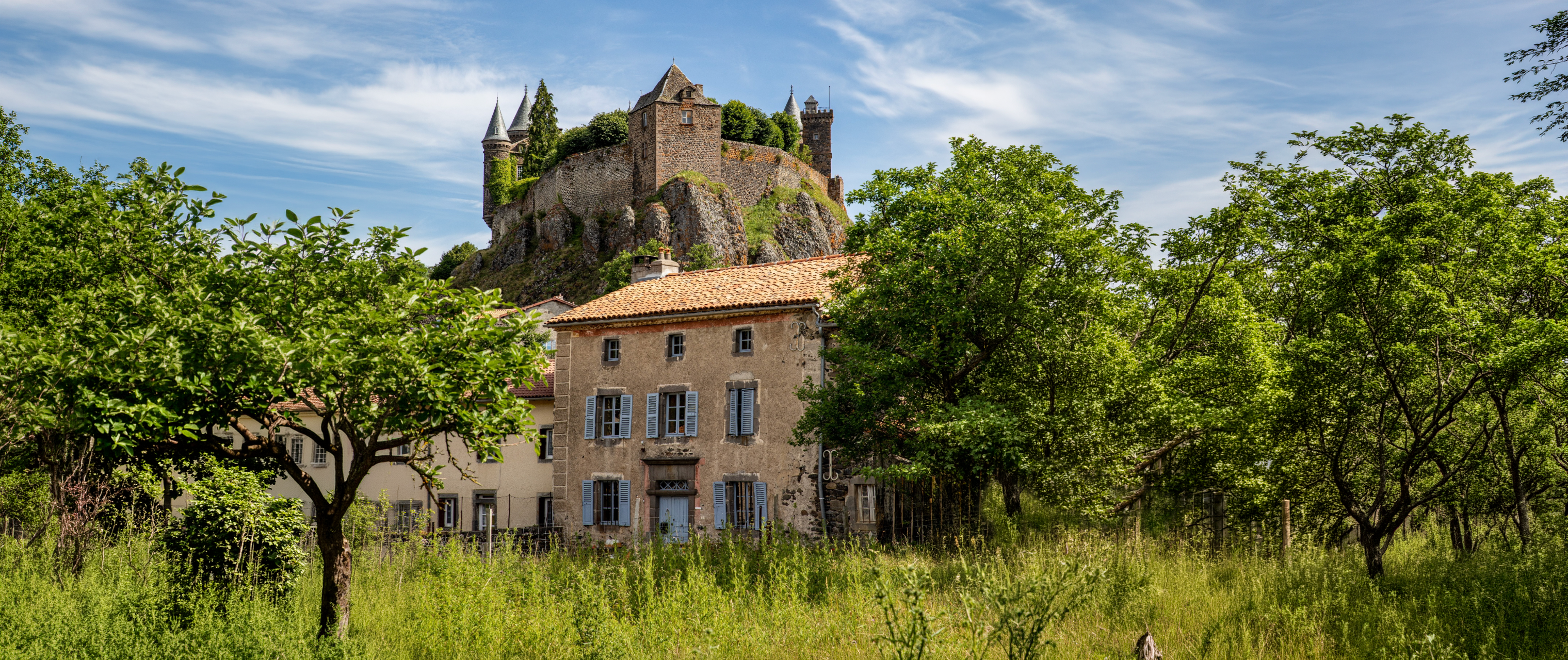
Dad, this one is for you. For over five years, our family has been finding its way back to Le Sailhant, a tiny hamlet in the volcanic hills of the Cantal, in south-central France. At the heart of every visit is Maison Jibrat, the stone farmhouse you and I first walked into together, and the place you now call home. This is the first of many stories about it, and it begins with us.
How we found it
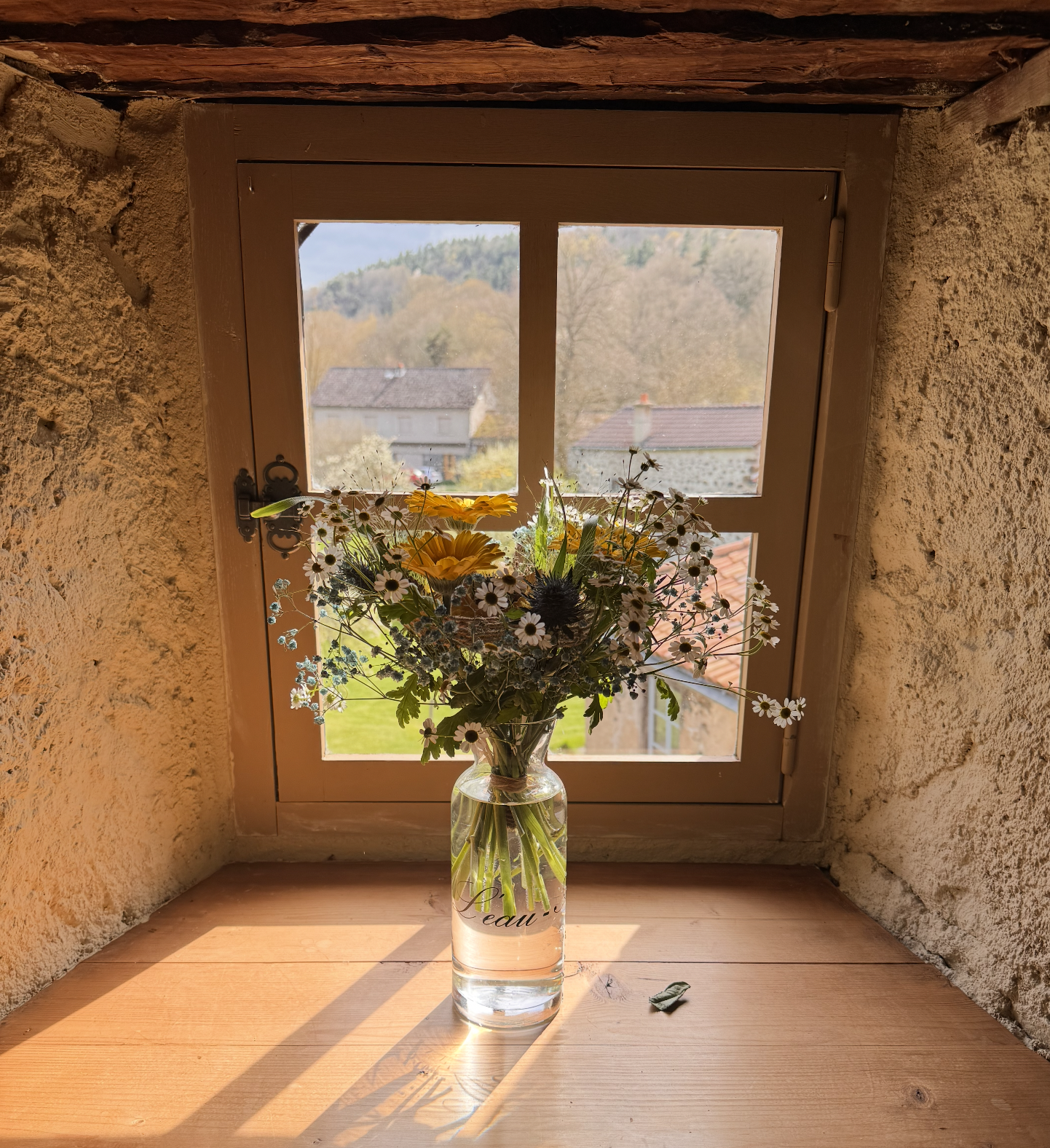
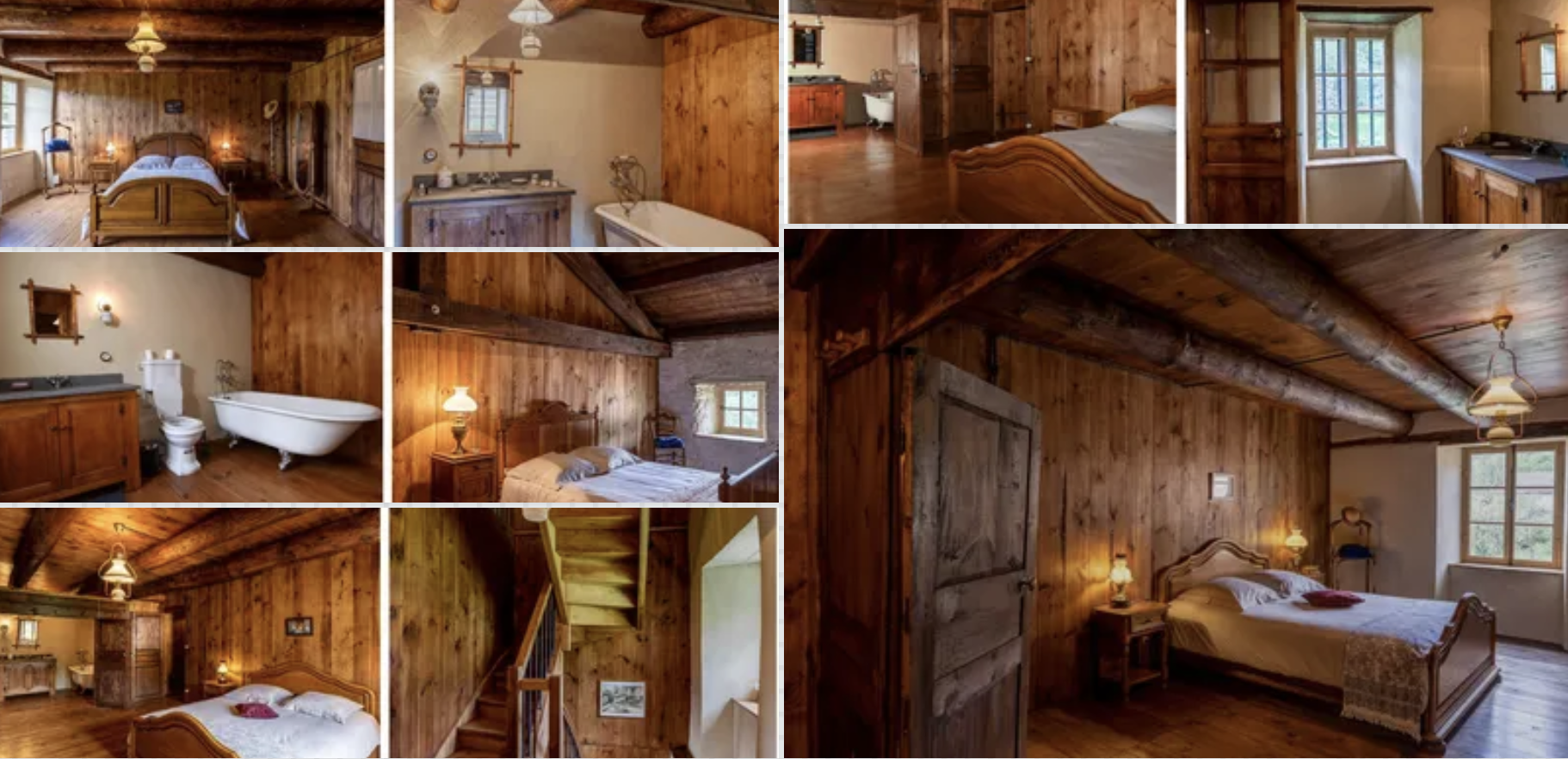
My father and I have always been connected through our love of all things French. Some of my most cherished memories are our father-daughter trips through France, and it was on one of those trips to the south-central part of the country that we found Le Sailhant. This remote corner of the Cantal came to us through his dear friends from Rotary, who knew the area and told him about it. The house we were meant to stay in was still under construction, dark and cramped, so we were shown Maison Jibrat instead. I still remember stepping inside. Floor-to-ceiling handcrafted wood walls, cool stone floors, rooms that seemed to hold their breath. It was like walking into the 1870s, and something in my heart and soul recognized it right away.
A thousand years at the foot of the rock
People have lived beneath the great basalt rock of Le Sailhant for a very long time. The regional archaeology service lists the château and the nearby waterfall among the area's prehistoric sites, along with a burial mound and a rock shelter tucked under the basalt. Just up the road, at the Maar de Gour, Neolithic farmers worked the fields more than five thousand years ago and left behind hundreds of flint tools. In Roman times, a farm villa stood on the terrace above the hamlet. Its farmers grew grain and grazed cattle on the high plateau, and pieces of their millstones have turned up in the fields. The village took shape in the early Middle Ages, at the foot of the rock beside the Babory stream. Above it, a wooden watchtower guarded the cliff. By 1250 it had been rebuilt entirely in stone, and the Château du Sailhant has watched over the valley ever since. Beside it, the Cascade du Sailhant drops about thirty meters over dark volcanic stone into the gorge below.
The lords of Sailhant
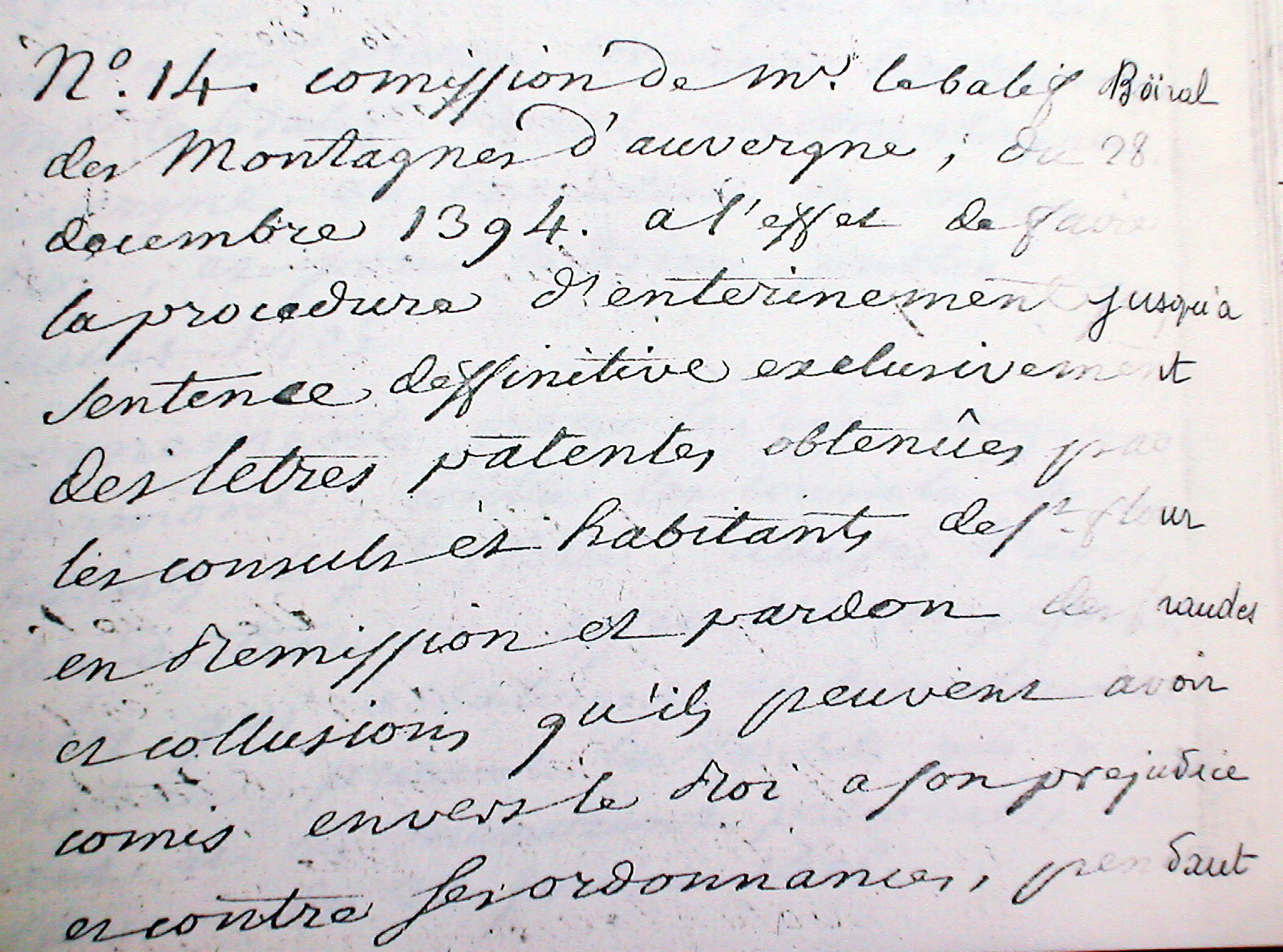
The castle passed through many noble families over the centuries, and English soldiers held it more than once during the Hundred Years' War. In 1616, Jacques d'Estaing married Catherine du Bourg, lady of Saillans, as the name was then spelled. The d'Estaing family went on to hold Sailhant for close to two hundred years. Some of my favorite discoveries are small, ordinary moments from that time. On August 7, 1706, the marquis hired two masons from Saint-Flour, Pierre Jouve and François Albusson, to repair a square tower in the castle courtyard. A crack ran down its wall that "threatened ruin," and the price to take it down and rebuild it was one hundred livres. A few months later, the same marquis traded pieces of meadow with a farmer from the hamlet, measuring part of the deal in cartloads of hay. The most famous member of the family was Admiral Charles-Henri d'Estaing, marquis de Saillans, who led the French fleet sent to support the American colonies during the Revolutionary War. He was guillotined in Paris in 1794, and the castle was seized and sold during the French Revolution.

The house that kept a family's name
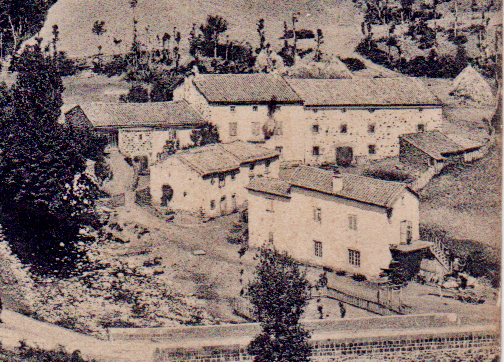
Down in the hamlet, farming families kept the land going through all those centuries. A land register from 1594 describes thatched roofs, a mill on the stream and a hemp garden beside nearly every house. Every farm kept its own orchard. In 1904 the commune counted more than fifteen hundred sheep, and shepherds still worked Le Sailhant until the Second World War. Maison Jibrat grew out of that farming life. Madame Brunon, a local historian who wrote a history of the hamlet, calls it the maison Gibrat, after the family who held it. The last of them, Madame Gibrat, died on New Year's Day in 2000, and the house still carries her family's name.
A farmhouse brought back to life
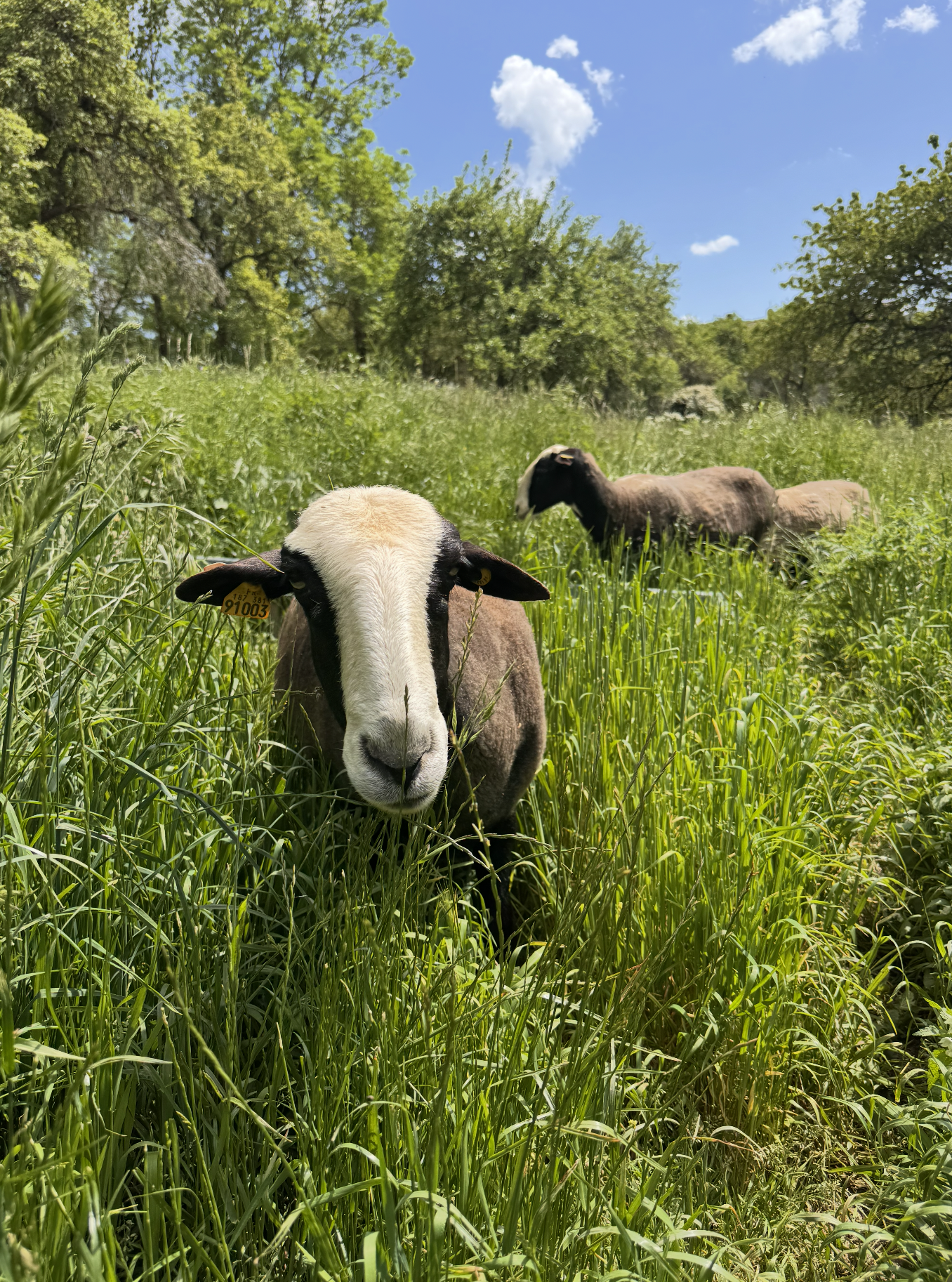
The Château du Sailhant owes its second life to Joseph Pell Lombardi, a New York restoration architect who completed its restoration in 1997. In 2016 he brought the same care to Maison Jibrat, restoring the farmhouse and keeping its stone walls and quiet character. Even the smallest details got attention. For the old wooden gate between the barn and the sheepfold, a hand drawing was made from old photographs and the surviving pieces, so it could be rebuilt as it once was. Today the property spans five acres with a barn, a stable and an apple orchard. A brook runs along both sides of the land, fed by its own natural spring. From the picnic meadow you can look up at the château while sheep graze below its walls.
My father's writing sanctuary
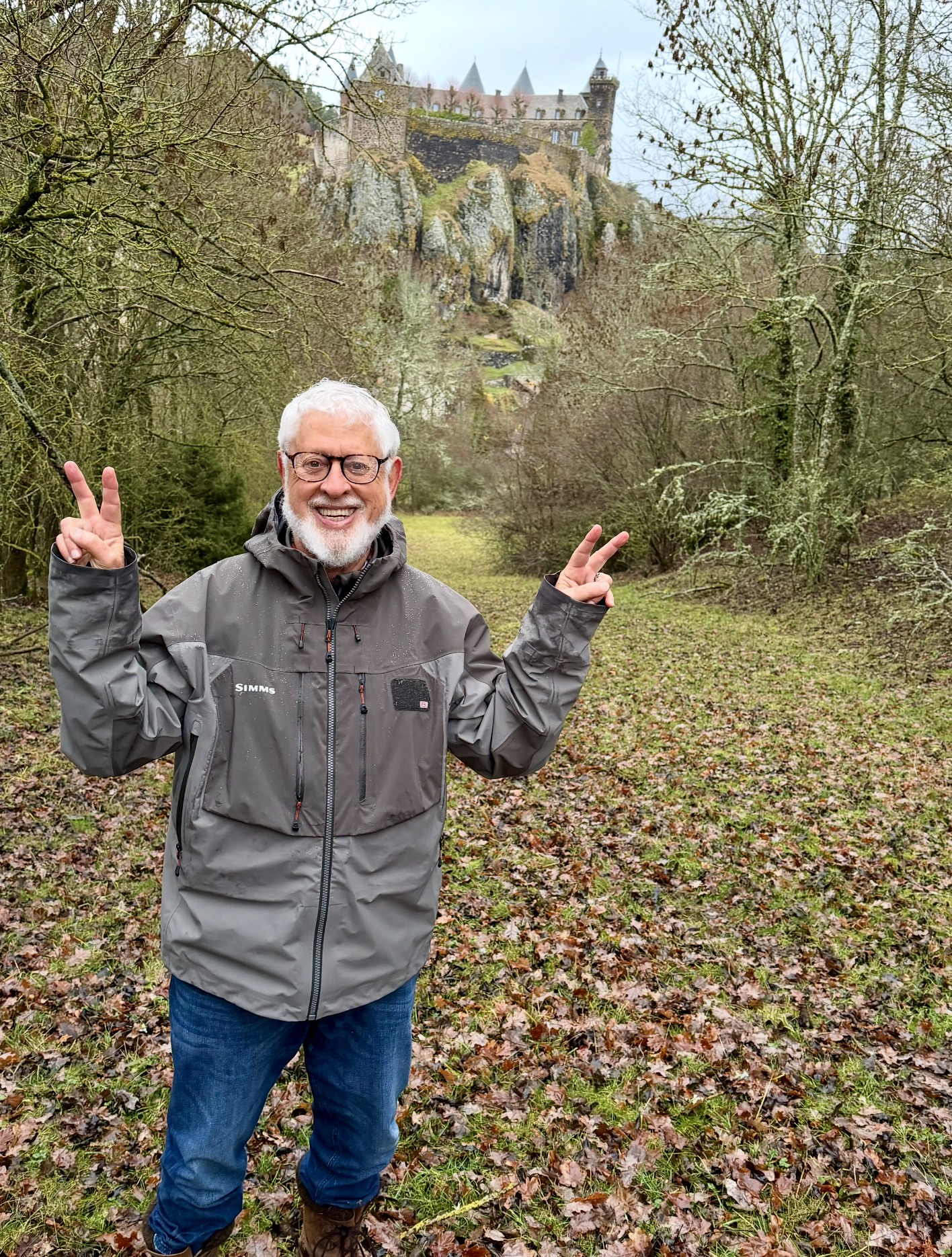
In 2025, after five years of visits, Maison Jibrat became my father's home. He lives and writes there for most of the year, surrounded by the orchard, the sound of running water and the château on its rock. It feels right that a writer should settle in a place so full of stories. Every wall here holds one, and now he is adding his own. Knowing he is there makes the house feel even more alive to the rest of us, and when we all gather around his table, it becomes a family home again.
What this place gives me
Maison Jibrat holds a way of life I cherish deeply and seldom find anymore: things built by hand to last, days shaped by the weather and the seasons, a home that carries the marks of every family who lived in it. I find that life again through art, through history, and through keeping alive the traditional practices our ancestors left here for us to find. I am slowly stripping away the new ways that do not align with my spirit and my values. Here, among stone walls that have stood through centuries, I feel complete and utter admiration for this piece of history. My family gets to inhabit it for only a short stretch of its long story. We have this one life, and I want to spend it honoring places like this.
Sources
Madame Brunon, Contribution à l'histoire du Sailhant. Sailhant Castle history, castles.nl. Cascade du Sailhant, European Waterfalls. Family archives, including notarial acts dated August 7 and November 5, 1706.