
Pantry Projects · 6 min read
A pantry built from the field
A quiet approach to choosing grains, salt, oils, and herbs by origin rather than packaging.
October 5, 2026
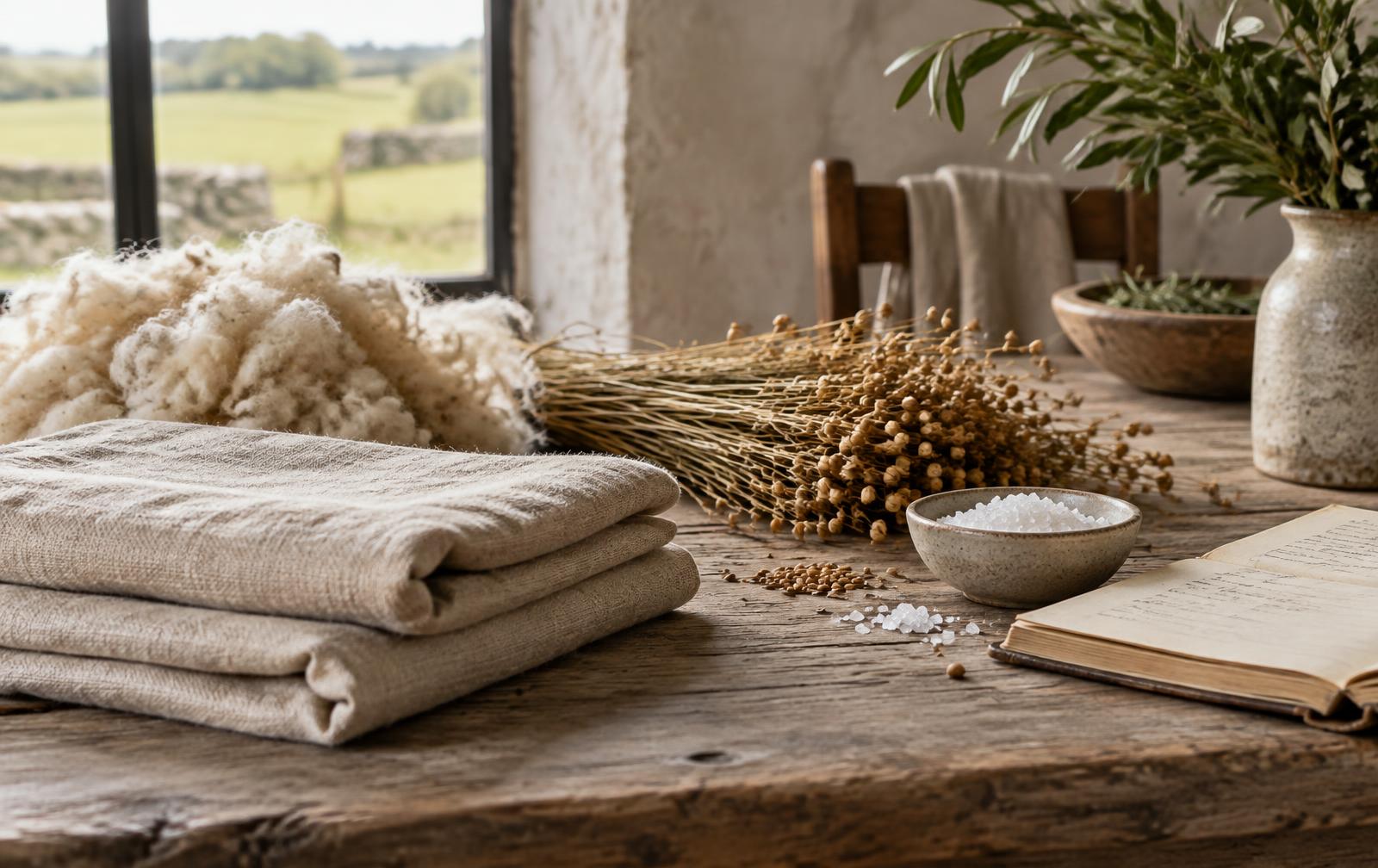
A useful pantry begins with fewer things and better records. Start with the ingredients you reach for every week, then learn where each one was grown, milled, or gathered.
Begin with the staples
Choose one salt, one everyday oil, a small set of grains, and the herbs you truly use. A shorter shelf makes freshness, origin, and replenishment easier to follow.
Keep the source close
Transfer dates and maker names with the ingredient when it moves into a jar. The point is not a perfect display; it is preserving the useful part of the label.
Buy for the season ahead
Let the next few weeks of cooking shape what comes home. This keeps the pantry active and makes room for ingredients from smaller harvests.